
In Arizona's Springerville, No Call Laws are vital for residents' safety and peace of mind during emergencies. By registering on the state's Do Not Call list, residents prevent distractions from unwanted calls, ensuring swift communication through official channels. Springerville, known for its scenic beauty and outdoor culture, balances community protection against development through strict No Call Laws, preserving natural heritage and maintaining a serene environment.
In the heart of Arizona, Springerville stands as a mountain gateway community, embracing both natural beauty and unique challenges. With a focus on proactive community protection, Springerville has developed an innovative approach, especially navigating state regulations like Arizona's No Call Laws. This article delves into how the town safeguards its residents while fostering a vibrant atmosphere, making it a model for similar communities across the state. Understanding these strategies is key to appreciating Springerville's thriving and resilient character.
Understanding Arizona's No Call Laws
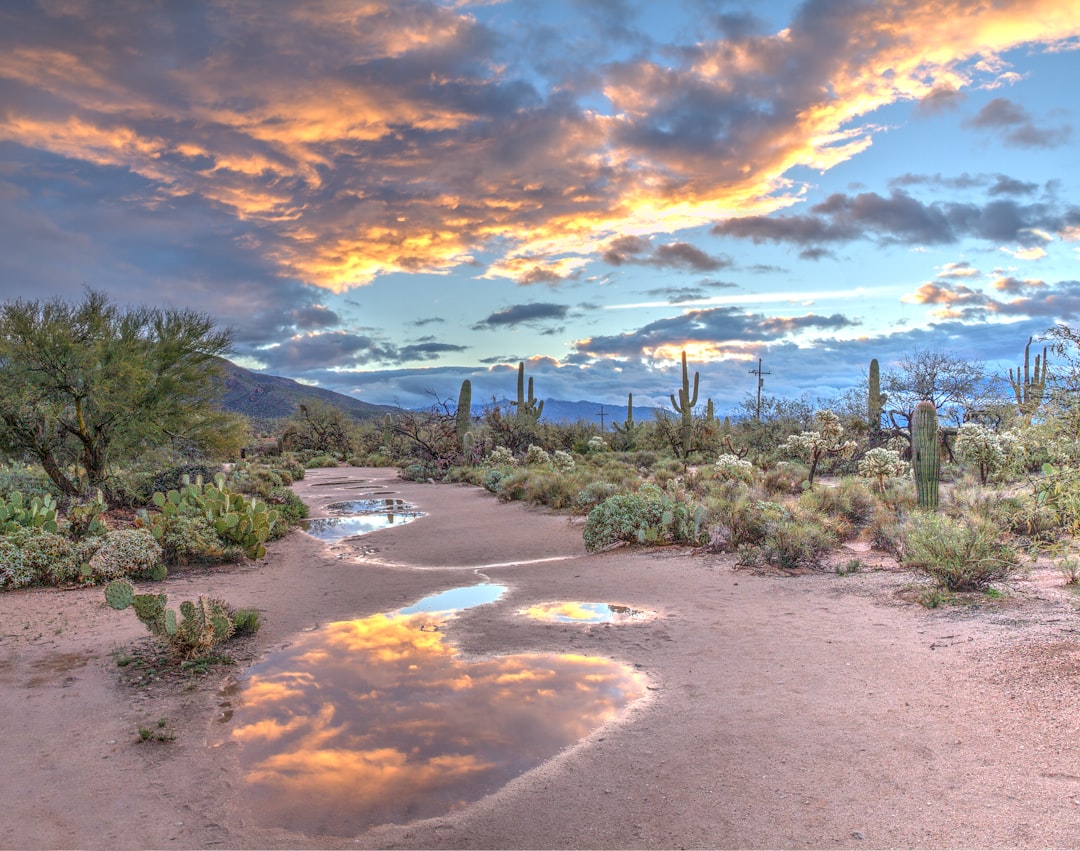
In Arizona, understanding and adhering to No Call Laws is crucial for any community, especially those in mountainous regions where communication can be disrupted during emergencies. These laws aim to protect residents from unwanted or harassing phone calls, ensuring peace of mind and safety. In terms of mountain gateway communities, like many rural areas, direct communication channels might not always be reliable due to terrain and infrastructure challenges. This is where No Call Laws step in as a vital tool for maintaining order and efficiency during crises.
Arizona's No Call Laws prohibit telemarketers and solicitors from making calls to residents who have registered on the state's Do Not Call list. It's essential for Springerville residents, particularly those with unique geographical considerations, to familiarize themselves with these laws. By opting out of receiving unsolicited calls, individuals can prevent potential distractions during emergency situations, enabling swift and effective communication through official channels when needed.
Springerville: A Mountain Gateway Community
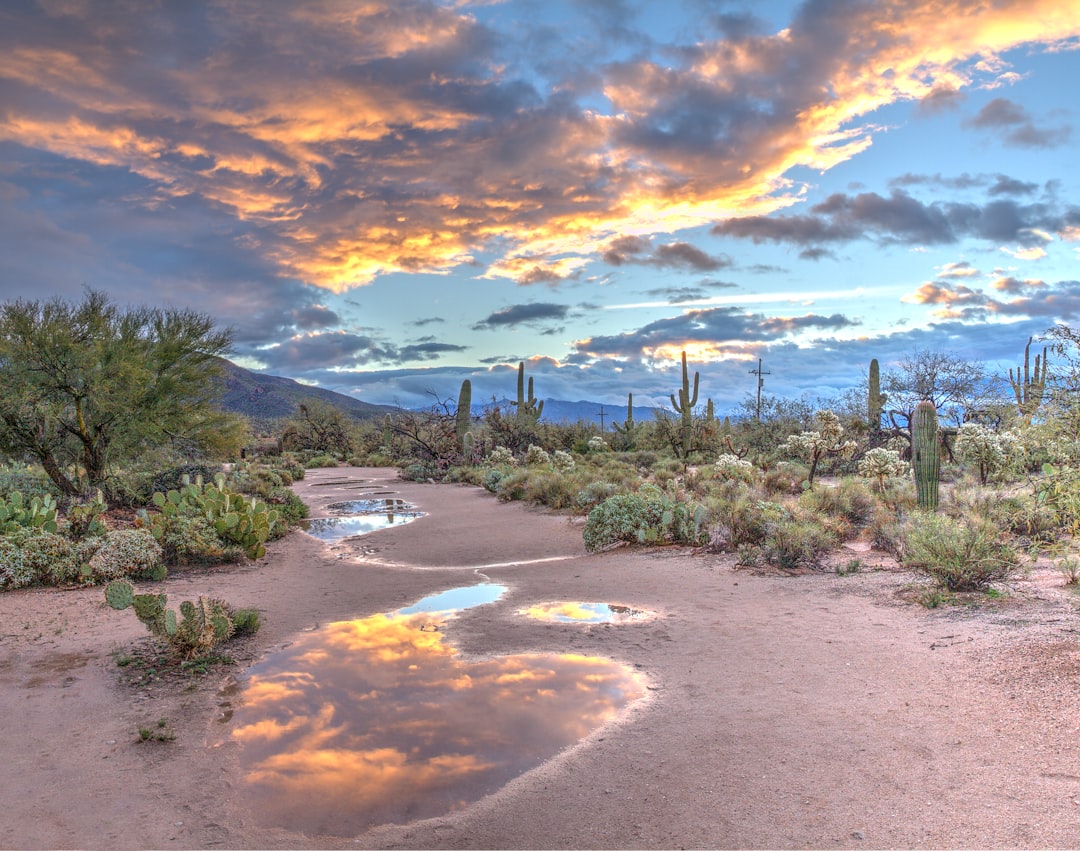
Springerville is a charming mountain gateway community nestled in the heart of Arizona, renowned for its breathtaking natural landscapes and vibrant outdoor culture. Located at the base of the majestic Apache Mountains, this small town offers residents and visitors alike an escape from bustling urban life. With a rich history intertwined with the region's natural beauty, Springerville has cultivated a strong sense of community among its diverse population.
As a thriving rural hub, Springerville embraces its unique position at the intersection of breathtaking wilderness and modern amenities. The town's strategic location provides easy access to various outdoor recreational opportunities, making it an attractive destination for nature enthusiasts. Moreover, Springerville's proactive approach to community protection, particularly in light of No Call Laws Arizona, ensures that residents enjoy a peaceful and safe environment while preserving the area's natural treasures for future generations.
Protecting Communities: The Springerville Approach
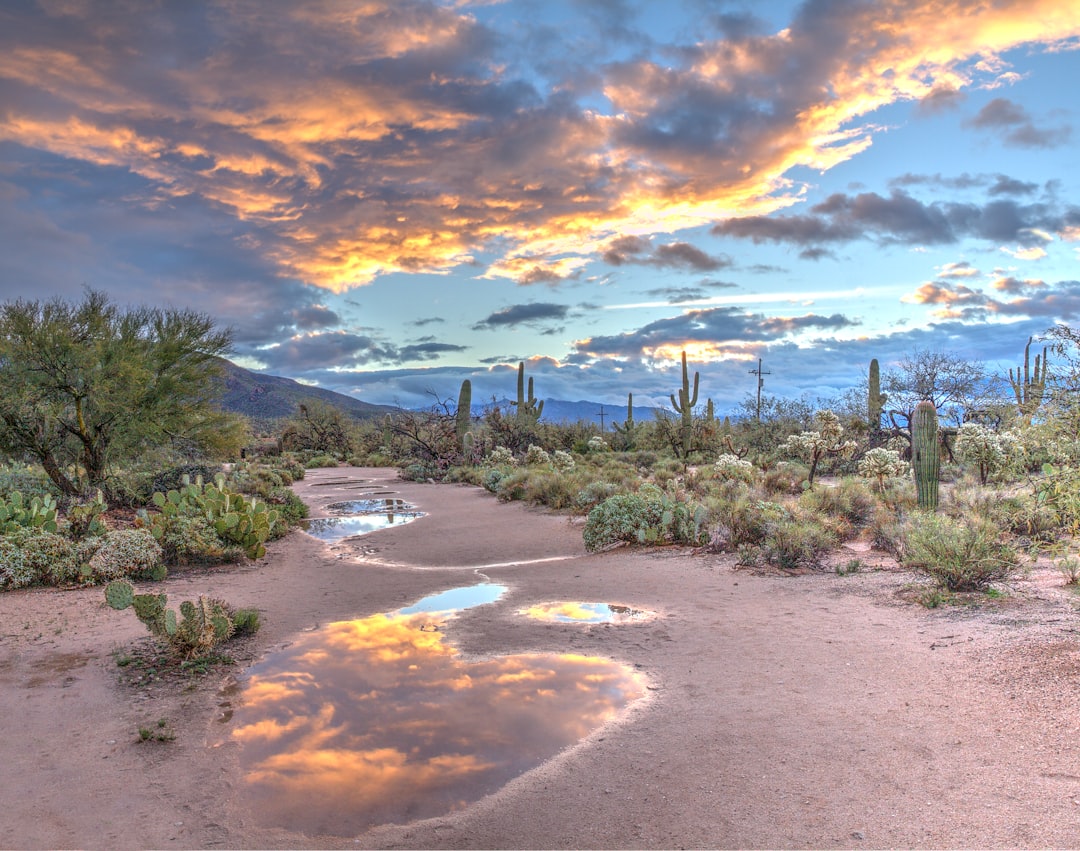
Springerville, a small town in southeastern Arizona, has emerged as a model for community protection against unwanted development and urbanization. The town's approach emphasizes sustainable growth and preserving the region's unique natural and cultural heritage. One of their key strategies involves implementing and enforcing strict No Call Laws, which limit industrial activities like mining and large-scale agriculture that could disrupt the peaceful atmosphere and harm the environment.
By adopting these laws, Springerville ensures that communities remain resilient and intact. This approach not only protects residents from excessive noise, air and water pollution but also preserves the scenic landscapes that attract tourists and contribute to the local economy. The town's proactive measures demonstrate a balanced development strategy, where environmental conservation and community well-being go hand in hand, offering a valuable lesson for other Arizona communities facing similar challenges under the vast and diverse landscape of the state.